
The whole class is invited. The theme has a theme. There is a party pack for every guest and an entertainer booked for 11 o’clock.
Somewhere along the way, the children’s birthday party became a production. And parents are starting to push back.
The lesson from this year’s debate is simple: children remember how the party felt, not how much it cost. Spend on the moments they will remember, and cut the rest.
The debate that went viral
In July 2026, CBC News reported on a growing argument online: kids’ birthday parties have become so expensive that some parents are asking guests to help pay (CBC News, 30 July 2026 . The piece cited polling suggesting that one in five parents spend more than $700 on a party, and that a third go into debt for it.
In the UK, insurer comparison site Confused.com found parents spending over £700 on average on a child’s party, with just over half hosting at home to save money (Confused.com, 2025).
Those are North American and British figures. We could not find a recent South African survey on kids’ party spending, so we will not pretend to know the local average. But anyone who has priced a jumping castle, a cake and 20 party packs knows the pressure is real here too.
What children actually remember
Ask an adult about their best childhood birthday. The answers tend to sound like this:
- “We made our own pizzas.”
- “I got to wear a crown all day.”
- “My mom let me choose everything.”
Notice what is missing: the price of the décor, the number of guests, the brand of the party packs.
As one expert put it in the CBC piece, kids look back on the experience and how they felt, not how lavish it was.
A memory-first party budget
Spend where the memories are made:
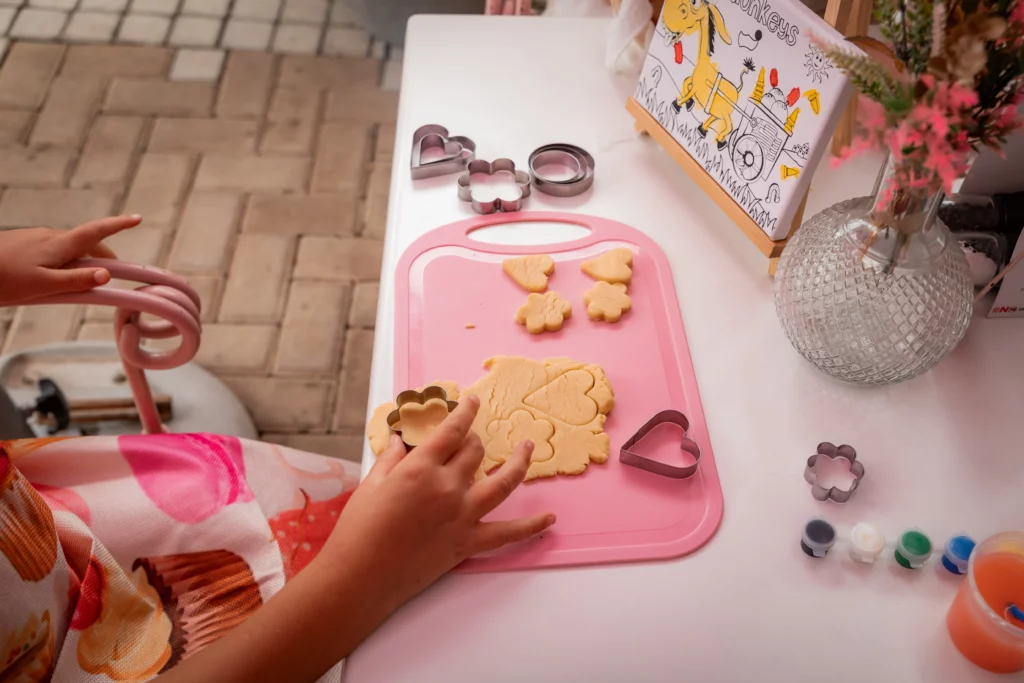
- One hands-on activity the birthday child loves. Making, painting or baking beats watching.
- A cake they chose. It is the centre of every photo.
- Feeling special. A crown, a title, a moment where everyone sings.
Save where nobody will notice:
- Smaller guest list. Close friends often make a better party than the whole class.
- Simpler party packs. One good item beats ten small ones.
- Shorter party. Two to two and a half hours is plenty for young children.
- Fewer suppliers. Every extra supplier adds a fee and a phone call.
Where a hosted party helps
A hosted party bundles the activity, food, décor and clean-up into one booking. That can make the cost more predictable than hiring a hall and five suppliers separately. (For a full cost comparison, see What a Function Really Costs Per Person.)
Goddess Café’s Goddess Petite Parties are built around a hands-on activity: cake decorating, pizza making, canvas painting, or a full fairytale princess party. Every party is styled in the colours your child chooses. Party packs, candy floss and a Miss Cake cake are optional, so you only add what matters to you.
And while the children celebrate, parents can enjoy proper coffee or sip and paint with bubbles.
Compare the seven Petite Party packages (Article 3).
Frequently asked questions
How much should I spend on a kids’ party? There is no right number. Set a total first, then spend most of it on one activity and the cake.
Should guests help pay for a child’s party? It is a growing debate overseas. That is a personal call. A simpler option is to plan a party that fits your own budget, so nobody feels obliged to chip in.
How many children should I invite? A common rule of thumb is the child’s age plus one, but a small group of close friends often works best.
Give them the day they will talk about
Sources
- CBC News: Kids’ birthday parties are getting more expensive. Should guests help pay for them? (30 July 2026)
- Confused.com: Parents splash out over £700 on average for children’s birthday parties (2025)